

Marine Cleaning Tips:
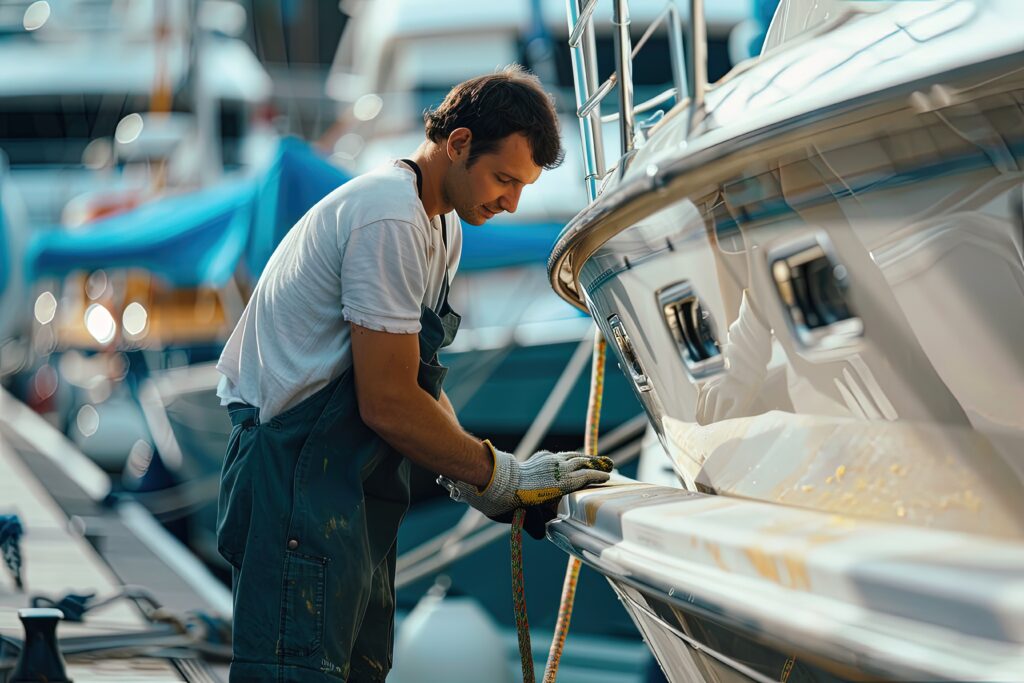
Marine Cleaning Tips: How to Keep Your Boat in Top Shape Year-Round
Owning or maintaining a boat is a source of pride and joy, but it also comes with responsibilities—one of the most important being regular marine cleaning. The combination of saltwater, humidity, algae, and exposure to the elements can take a toll on any vessel if not properly maintained. A consistent cleaning routine not only keeps your boat looking its best but also extends its lifespan, improves performance, and ensures safety on the water. In this blog, we’ll explore why marine cleaning is essential, the best practices to follow, and the tools and products that can make the job easier.
Why Marine Cleaning Matters
Marine environments are harsh on boats and ships. Salt deposits, barnacle growth, mildew, and oil stains are common challenges. Without proper cleaning, these issues can lead to corrosion, damage to paint and upholstery, and even reduced fuel efficiency. A clean boat is not just about aesthetics—it’s about preserving the integrity and value of your investment.
1. Start with a Freshwater Rinse
Saltwater is the number one culprit for corrosion and surface damage. After every trip, give your boat a thorough rinse with freshwater. Pay special attention to the hull, deck, and metal fittings. This quick step removes salt crystals that could otherwise etch into the surface or accelerate rusting.
2. Use Marine-Specific Cleaners
Not all cleaning products are created equal. Household cleaners may contain chemicals that can damage boat surfaces or harm marine life. Choose eco-friendly, marine-grade cleaners that are biodegradable and safe for use in water environments. These are formulated to tackle common marine stains like fish blood, algae, and oil without damaging the gelcoat or paint.
3. Clean the Hull Regularly
The hull is constantly exposed to water, making it susceptible to algae, barnacles, and slime. A monthly cleaning—either by hauling the boat out of the water or using a long-handled brush while it’s docked—helps prevent heavy buildup. For stubborn marine growth, use specialized hull cleaners designed to break down organic material without harming the finish.
4. Keep the Deck Spotless
The deck is where the most activity happens, which means it’s prone to spills, dirt, and scuff marks. Use a non-skid deck cleaner to lift grime while maintaining surface grip for safety. Always scrub in the direction of the texture to avoid damaging the non-slip surface.
5. Upholstery and Canvas Care
Salt spray, UV rays, and moisture can quickly degrade marine upholstery and canvas covers. Clean vinyl seats with a mild soap solution and protect them with a UV-resistant conditioner. For canvas covers, use a fabric-specific cleaner and avoid harsh scrubbing to maintain waterproofing.
6. Polish Metal Fixtures
Stainless steel, chrome, and aluminum parts can lose their shine and develop rust spots over time. Regular polishing with a marine metal cleaner not only restores their luster but also adds a protective layer to guard against corrosion.
7. Engine Compartment Cleaning
The engine area collects grease, oil, and grime that can affect performance. Always follow manufacturer guidelines for cleaning. Use a marine engine
degreaser and rinse carefully to avoid damaging sensitive components. Keeping this area clean also helps you spot potential leaks early.
8. Prevent Mold and Mildew
Marine environments are naturally damp, making mold and mildew prevention a priority. After cleaning, allow all areas—especially cabins and storage compartments—to dry thoroughly. Use moisture-absorbing products or dehumidifiers in enclosed spaces to reduce humidity levels.
9. Glass and Plexiglass Maintenance
Windshields and instrument covers can become cloudy or scratched if cleaned with abrasive materials. Use a soft microfiber cloth and a cleaner designed for marine glass or plexiglass to maintain clarity and visibility.
10. Establish a Routine
Consistency is the secret to easier marine cleaning. Create a schedule that
includes:
- Daily: Freshwater rinse after outings
- Weekly: Deck and upholstery cleaning
- Monthly: Hull inspection and cleaning
- Seasonal: Full deep clean and protective waxing
A regular routine prevents stubborn buildup and reduces the need for harsh cleaning methods.
Final Thoughts
Marine cleaning is an essential part of boat ownership. By using the right products, following a routine, and paying attention to every part of your vessel, you can protect your investment, improve performance, and ensure every trip on the water is as enjoyable as the first. Remember, a clean boat is a safe boat—and it’s always ready to make a great impression when you dock. Please visit www.daxterlab.com for more info about our Marine Care products.
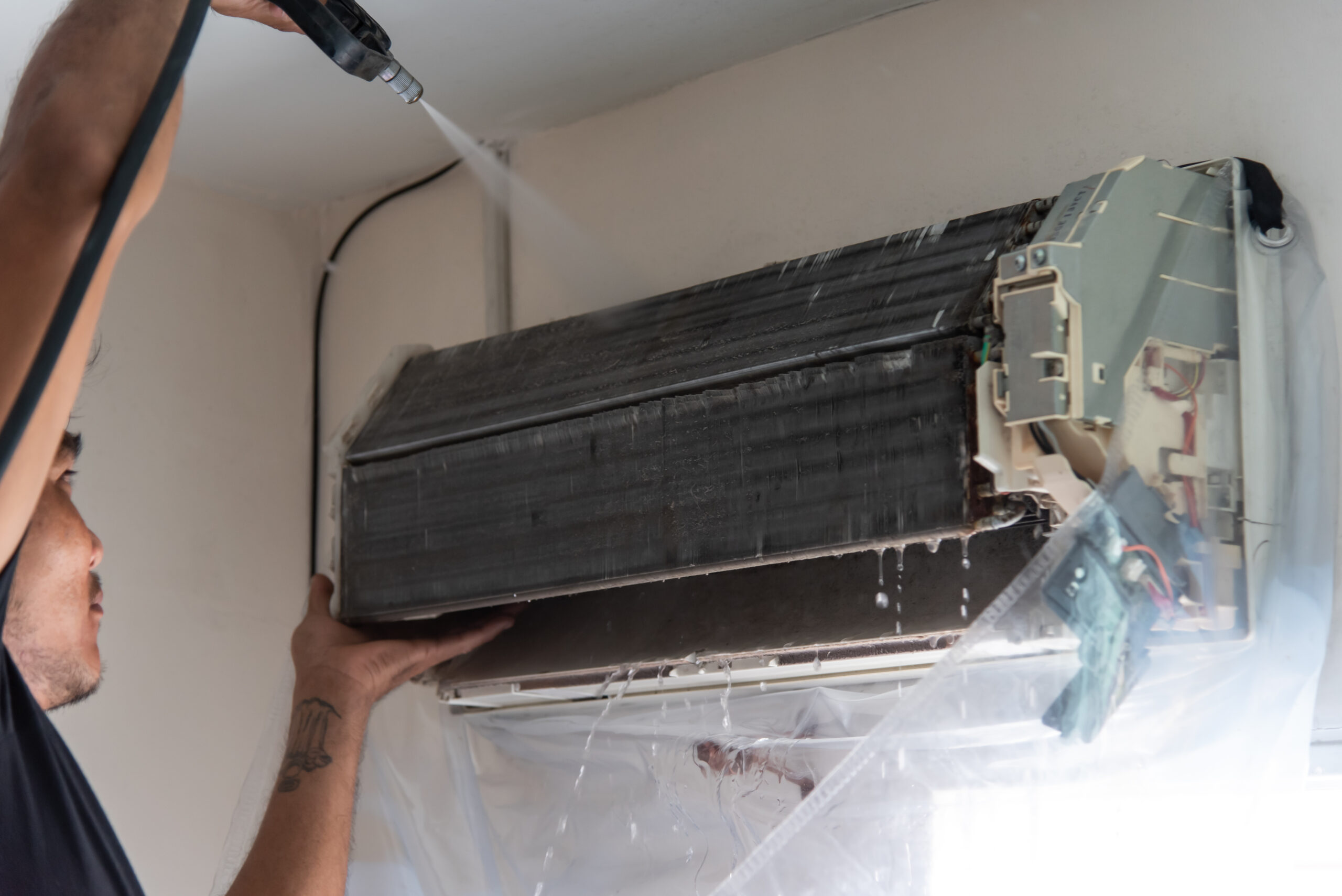
AC Coil Cleaners
Why They Matter and How They Keep Your AC RunningEfficiently Air conditioners are one of the most re
AC Drain Pan Tablets
The Simple Solution to Prevent AC Leaks and Odors Air conditioning is a comfort we all rely on, espe
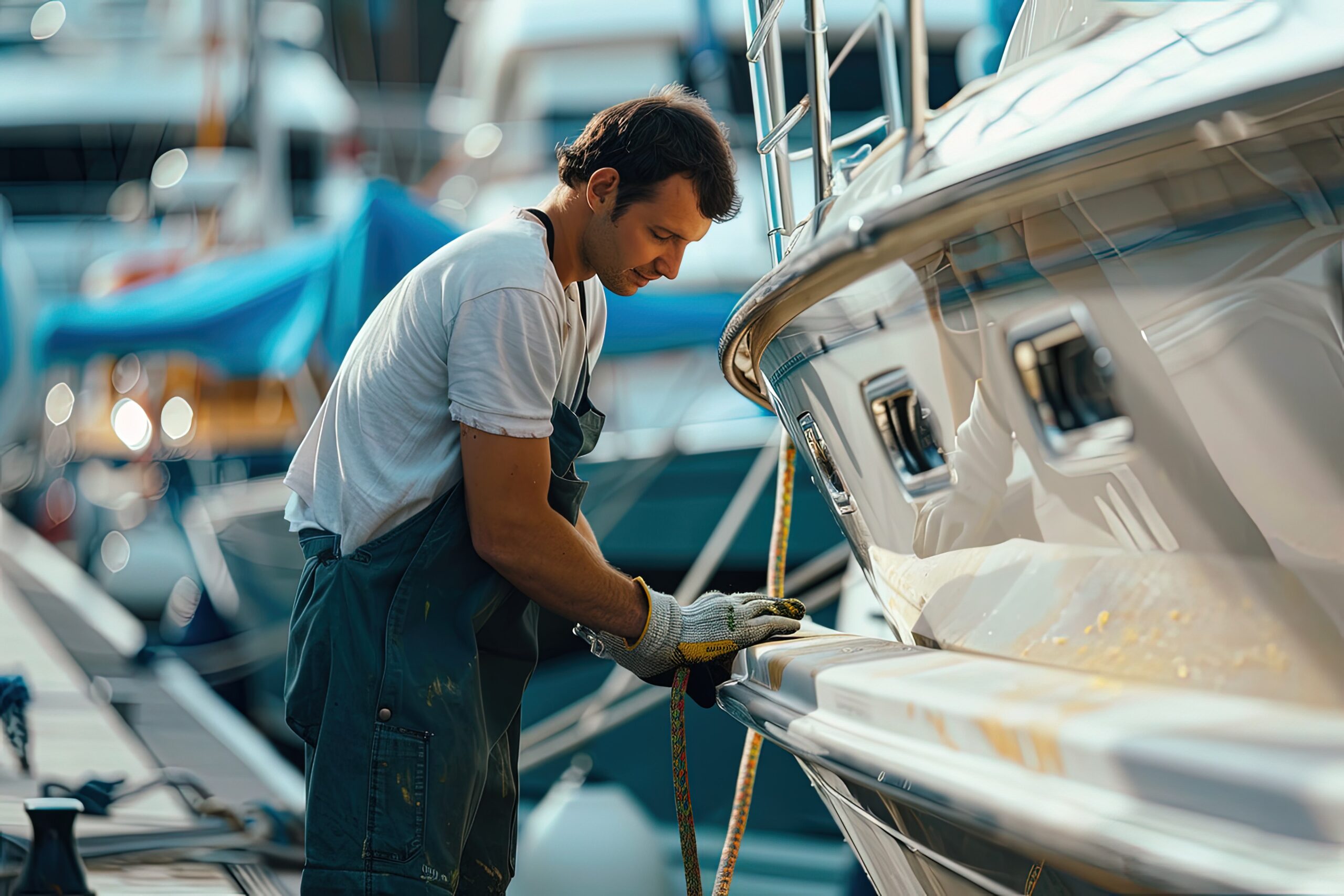
Marine Cleaning Tips:
Marine Cleaning Tips: How to Keep Your Boat in Top Shape Year-Round Owning or maintaining a boat is

Post a comment
You must be logged in to post a comment.