What Makes a Good Disinfectant: Ingredients That Matter
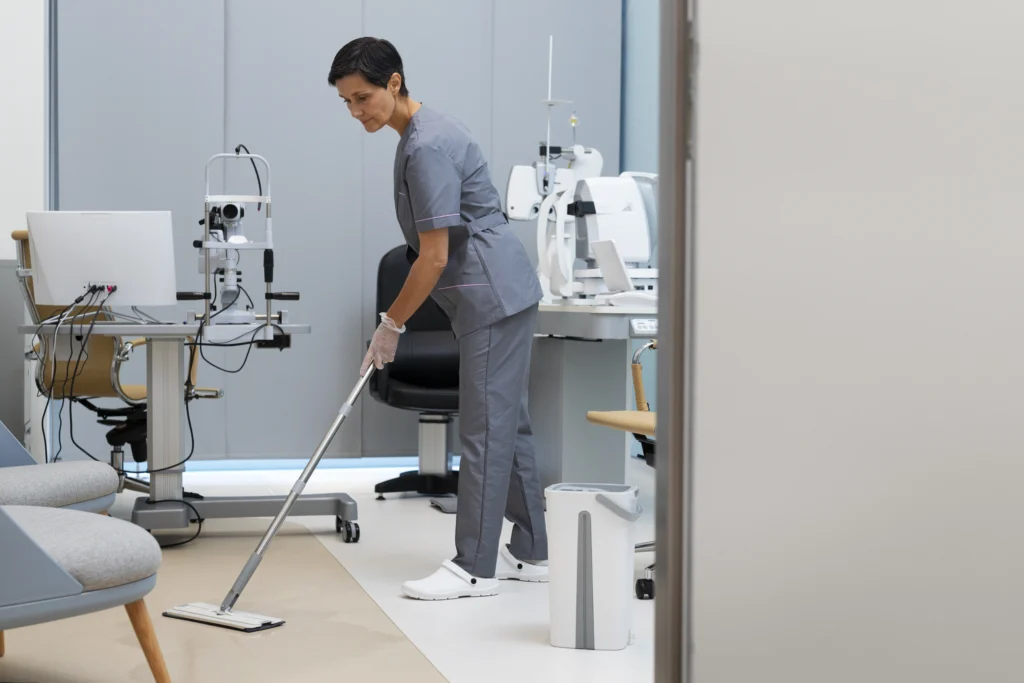
In a world where hygiene is paramount, especially in healthcare, food processing, and institutional settings, choosing the right disinfectants isn’t just a preference; it’s a necessity. The importance of effective disinfectants cannot be overstated, as they play a crucial role in preventing the spread of infections and maintaining a safe environment for both staff and patients. This article will explore various aspects of disinfectants, including their active ingredients, formulation, spectrum of action, and practical applications in diverse settings.
Let’s break down the key components that define a high-quality disinfectant.
When it comes to hygiene, understanding the effectiveness of disinfectants is essential. Not all disinfectants are created equal, and the choice of product can significantly impact sanitation outcomes. Several factors such as concentration, contact time, and application method, determine how well a disinfectant works. For instance, using a disinfectant in a hospital setting requires a different approach than in a kitchen. This article aims to guide you through these decisions.
Understanding the different types of disinfectants available can greatly improve your hygiene practices. There are various classes of disinfectants, each designed for specific applications and effectiveness. Being knowledgeable about these can help you select the right product for your needs, ensuring maximum efficacy in killing pathogens.
Importance of Disinfectant Usage in Different Environments
Different environments have unique challenges that necessitate specific disinfectant solutions. In healthcare settings, for instance, the presence of multi-drug resistant organisms (MDROs) requires the use of broad-spectrum disinfectants that can effectively tackle a wide range of pathogens. In food processing plants, disinfectants must be non-toxic and safe for food contact surfaces. Understanding the specific needs of each environment is crucial for effective infection control.
Active Ingredients: The Power Behind the Product
Quaternary Ammonium Compounds (Quats) are commonly used disinfectants due to their effectiveness against bacteria, some viruses, and fungi. Their low toxicity and non-corrosive nature make them ideal for various applications, including food processing and hospitality. However, users should be aware of any potential residue left behind after use, as this can sometimes lead to microbial growth if not rinsed properly.
The active ingredient is the chemical compound that actually kills or inactivates pathogens found in disinfectants. Different ingredients target different microorganisms and have unique advantages. For example, some disinfectants are formulated to quickly kill bacteria, while others may be more effective against viruses or fungi. Understanding these distinctions can help users choose the right disinfectant to address their specific concerns regarding pathogens.
An example of effective usage of Quats can be seen in restaurants where surfaces must be sanitized frequently. Using a quat-based cleaner allows staff to maintain high hygiene standards without damaging surfaces.
Quaternary Ammonium Compounds (Quats)
- Effective against bacteria, some viruses, and fungi
- Low toxicity and non-corrosive
- Ideal for use in food processing, hospitality, and general cleaning
Alcohols (Ethanol or Isopropanol)
Alcohols, such as ethanol and isopropanol, are widely recognized for their rapid action and quick evaporation. They are particularly effective for hand sanitizers and surface disinfection in both healthcare and everyday settings. However, it’s important to note that alcohol is not effective against all spores and may evaporate too quickly for some applications, which can limit its effectiveness. Therefore, proper application techniques must be followed.
Many hospitals have adopted alcohol-based disinfectants for quick and effective hand sanitization practices, especially in high-touch areas where bacteria can spread rapidly.
- Rapid action and quick evaporation
- Excellent for hand sanitizers and surface disinfection
- It is not effective on all spores and evaporates quickly, limiting contact time
Chlorine Compounds (e.g., Sodium Hypochlorite)
- Broad-spectrum germicidal action
- Commonly used in hospitals and sanitation plants
- It can be corrosive and requires proper dilution
Chlorine compounds, such as sodium hypochlorite, are favored for their broad-spectrum germicidal action. These compounds are commonly utilized in hospitals, sanitation plants, and even in households. While effective, they can be corrosive and require careful dilution to avoid damage to surfaces. Ensuring that the correct concentration is used is essential for maintaining both effectiveness and safety.
For example, in a hospital setting, proper dilution of chlorine can prevent damage to vital equipment while ensuring disinfection protocols are met.
Hydrogen Peroxide
- Environmentally friendly alternative
- Effective against viruses, bacteria, and fungi
- Decomposes into water and oxygen—safe and residue-free
Phenolic Compounds
Hydrogen peroxide is an increasingly popular choice for environmentally conscious users. It provides an effective disinfectant option against viruses, bacteria, and fungi without leaving harmful residues. It decomposes into water and oxygen, making it safe and residue-free. This makes hydrogen peroxide an excellent option for areas such as kitchens and hospitals where safety is paramount.
The use of hydrogen peroxide in cleaning applications, especially for sensitive instruments in medical settings, can significantly reduce contamination risks while being safe for the environment.
Phenolic compounds also serve as strong disinfectants effective against a wide range of microbes. They are frequently used in healthcare settings for their robust antimicrobial properties. However, potential users should be aware of their strong odor and possible skin sensitivity concerns associated with prolonged exposure. Proper safety precautions should always be observed when using phenolic disinfectants.
- Strong disinfectants are effective against a wide range of microbes
- Suitable for use in healthcare and institutional environments
- May have a strong odor or skin sensitivity concerns
Broad-Spectrum Efficacy
A good disinfectant should work against:
- Gram-positive and gram-negative bacteria
- Enveloped and non-enveloped viruses
- Fungi, mold, and mildew
- Bacterial spores (in specialized products)
In laboratories, phenolic disinfectants are commonly employed to maintain sterile environments, provided that proper ventilation and protective gear are used to minimize exposure risks.
Check for EPA, EN, or local health authority certifications to ensure the product meets efficacy standards.
Broader Application of Disinfectants
A good disinfectant should work against a wide array of pathogens, including Gram-positive and Gram-negative bacteria, enveloped and non-enveloped viruses, fungi, mold, mildew, and bacterial spores. The ability to tackle such a range of microorganisms is essential for maintaining health safety across various sectors.
Importance of Contact Time in Disinfection
Effective disinfectants need sufficient contact time—the duration the surface must remain wet for the chemical to work. Shorter contact times (1–5 minutes) are ideal for high-traffic areas like hospitals, schools, and public facilities. In contrast, more complex applications might require longer contact times to ensure thorough disinfection. Understanding and adhering to these recommended contact times is essential for achieving the desired disinfection outcome.
Effective disinfectants need sufficient contact time—the duration the surface must remain wet for the chemical to work. Shorter contact times (1–5 minutes) are ideal for high-traffic areas like hospitals, schools, and public facilities.
Safety and Surface Compatibility
- Non-corrosive and safe on most surfaces
- Low toxicity for us and the environment
- Non-staining and low-odor are preferred for indoor use
- Suitable for use on stainless steel, plastics, and sensitive materials
In environments such as schools, where the risk of spreading infections is high, using a broad-spectrum disinfectant can help minimize outbreaks and protect the health of students and staff alike.
Ease of Use and Format Options
The Importance of Proper Safety Measures
When using disinfectants, safety and surface compatibility are paramount. Ensuring that the disinfectant is non-corrosive and safe on most surfaces is vital to prevent damage. Additionally, selecting a low-toxicity product can minimize risks to both users and the environment. Non-staining and low-odor disinfectants are preferred for indoor use, particularly in enclosed spaces.
Great disinfectants come in a variety of formats, depending on the application:
- Sprays for daily surface cleaning
- Concentrates for large-scale dilution
- Wipes for quick touch-ups
- Foaming disinfectants for vertical or uneven surfaces
Stability and Shelf Life
For instance, disinfectants that are safe for stainless steel and plastics can help maintain the integrity of essential equipment in clinical and industrial settings.
Convenient Application Formats for Disinfectants
Disinfectants come in a variety of formats, depending on the application needs. Common options include sprays for daily surface cleaning, concentrates for large-scale dilution, wipes for quick touch-ups, and foaming disinfectants for vertical or uneven surfaces. These versatile formats help ensure users can effectively apply the disinfectant where it is needed most.
Disinfectants should remain effective during storage, with a shelf life of 12–24 months, depending on formulation. Proper packaging helps preserve efficacy over time.
Daxter’s Commitment to Safer, Stronger Disinfection
At Daxter, we formulate disinfectants backed by science, combining broad-spectrum efficacy, regulatory compliance, and user safety. Whether you’re a healthcare provider, facility manager, or industrial user, we offer solutions designed for your specific environment.
Looking for custom formulations or private label options? We can help.
For example, the use of wipes allows for quick sanitation of high-touch areas in offices and schools, helping to reduce the spread of germs in these environments.
Understanding Stability and Shelf Life
Daxter’s Comprehensive Approach to Disinfection
At Daxter, we formulate disinfectants backed by science, combining broad-spectrum efficacy, regulatory compliance, and user safety. Our commitment to innovation means we continually research and develop new formulations that meet the evolving needs of various industries. Whether you’re a healthcare provider, facility manager, or industrial user, we offer solutions designed for your specific environment, ensuring optimal performance and safety.
We also provide guidance on best practices for using disinfectants, including how to apply them effectively and safely, as well as tips on reducing environmental impact.
Disinfectants should remain effective during storage, with a shelf life of 12–24 months, depending on formulation. Proper packaging helps preserve efficacy over time. Users should always check expiration dates and store disinfectants in a cool, dry environment to maintain their effectiveness and safety.
We invite you to explore our range of products and learn more about how Daxter can assist you in achieving superior hygiene standards, utilizing effective disinfectants tailored to your specific needs.
Visit our Website click
More About Disinfectants Wikipedia
What Makes a Good Disinfectant: Ingredients That Matter
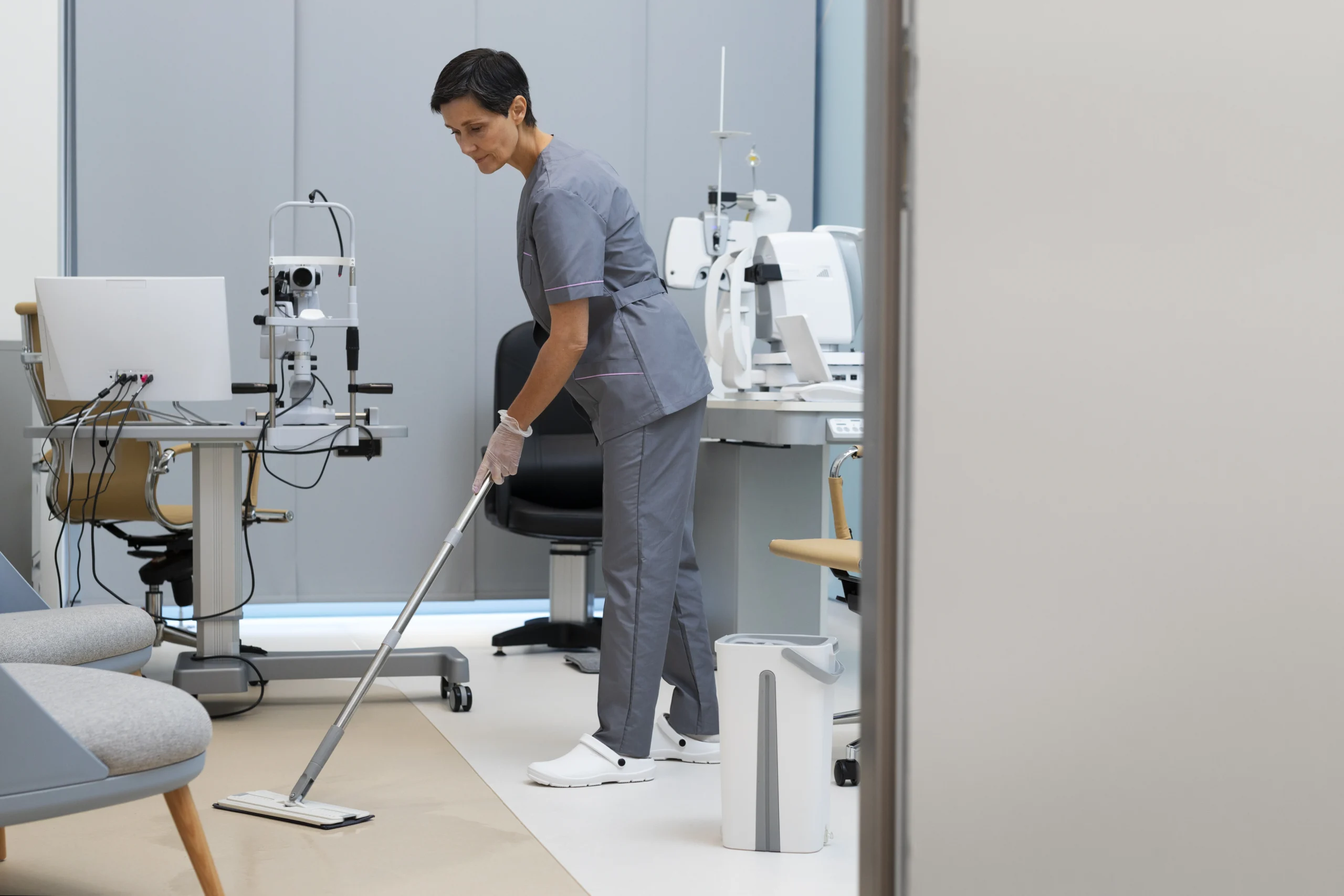
In a world where hygiene is paramount, especially in healthcare, food processing, and institutional

Post a comment
You must be logged in to post a comment.